Women’s History Wednesday · Genealogy Research
The Deed Before the Eulogy: Henriette Delille, the Free Woman of Color Who Bought Her Institution
The eulogy made her a servant. The deed made her an owner.
By The Kinstructure Company · June 3, 2026 · 7 min read
The Deed Before the Eulogy
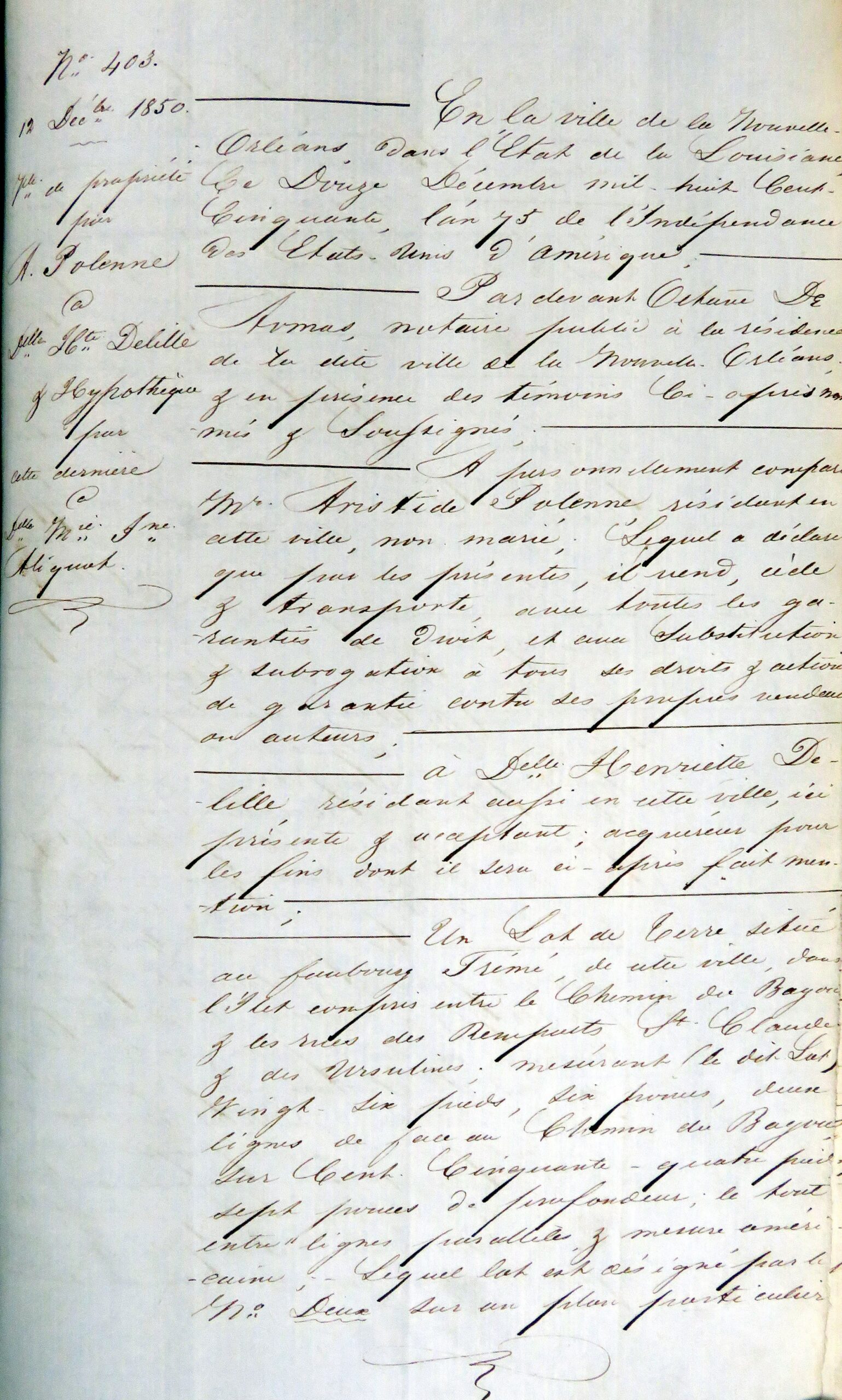
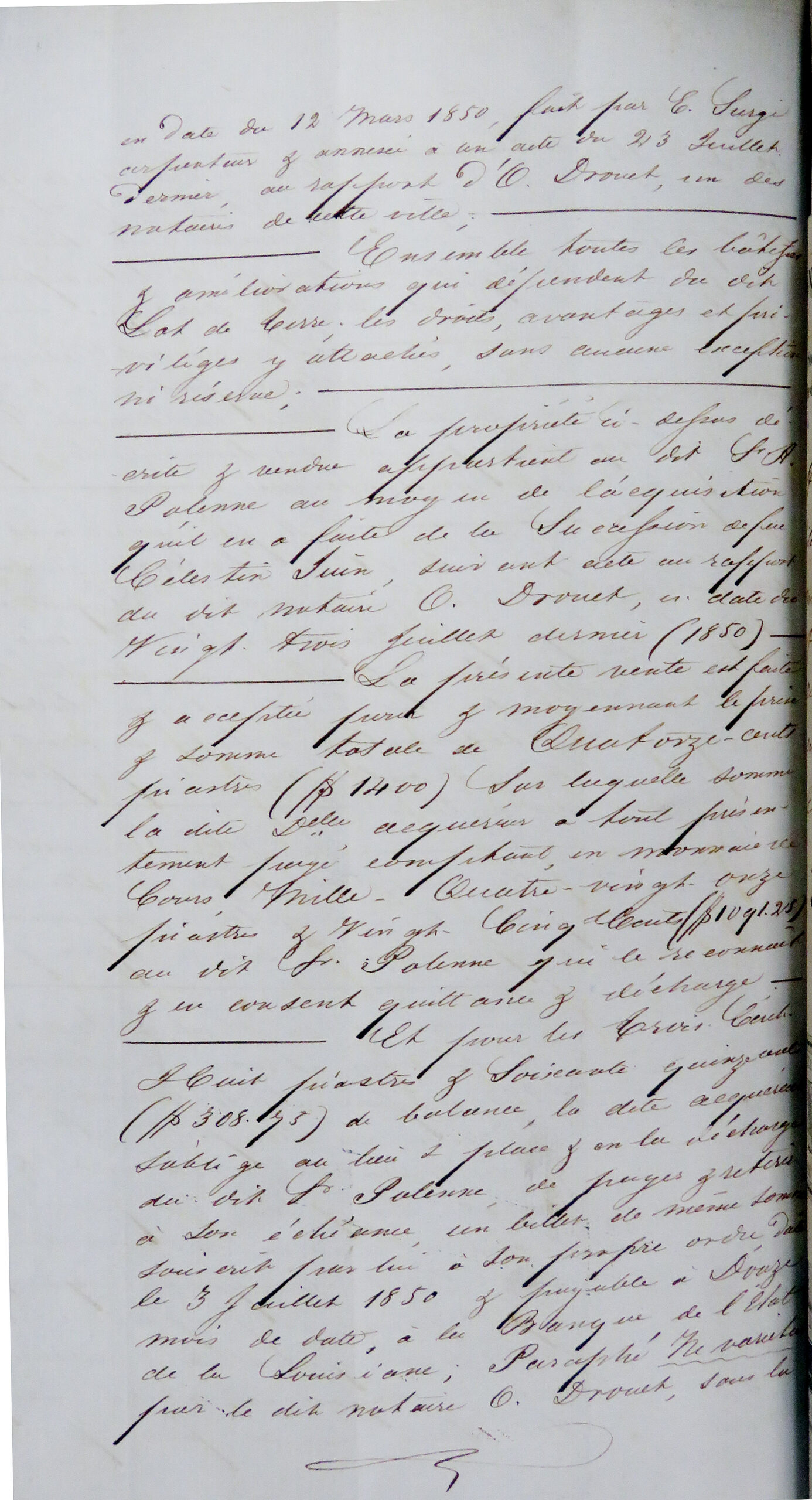
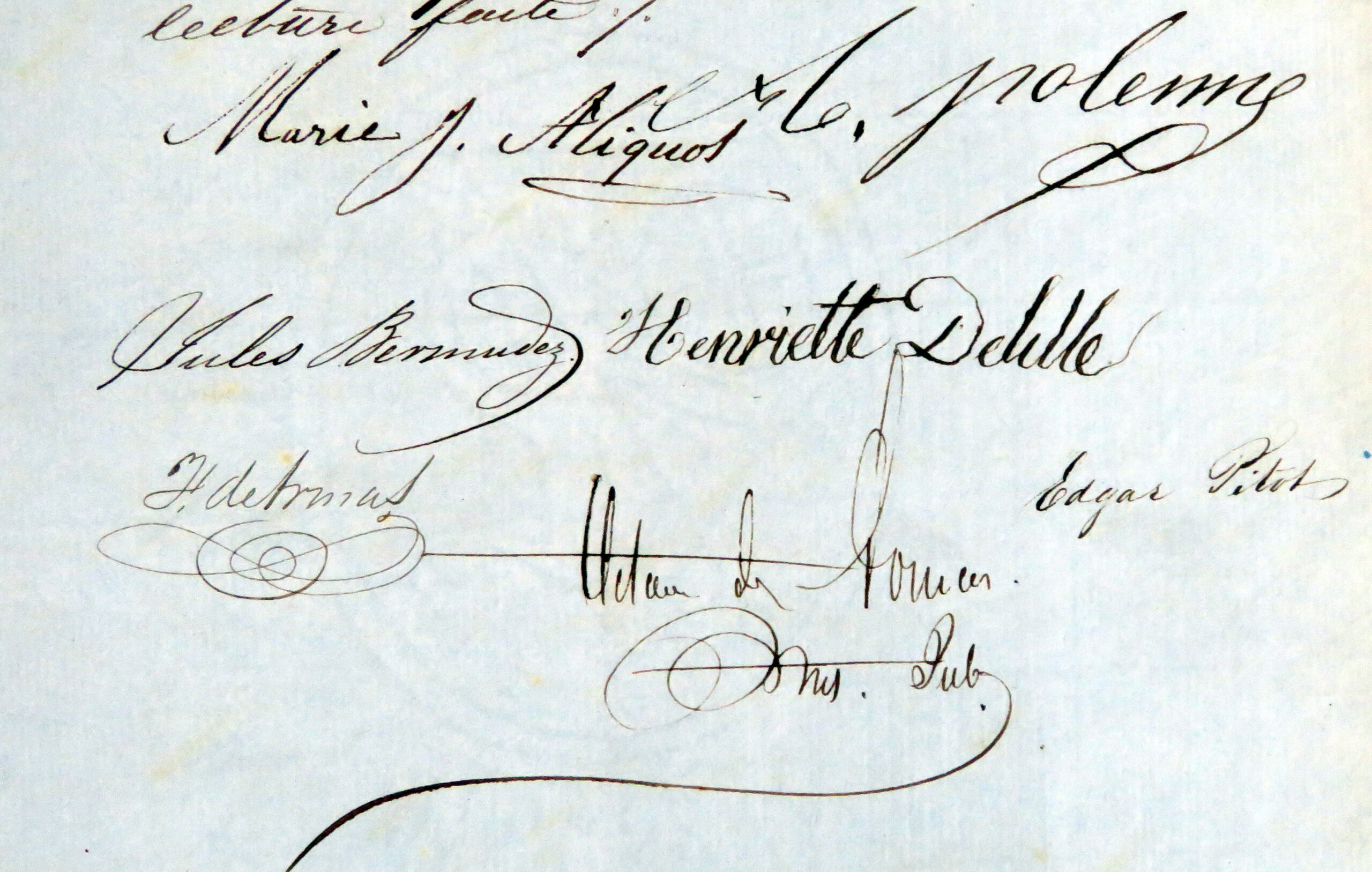
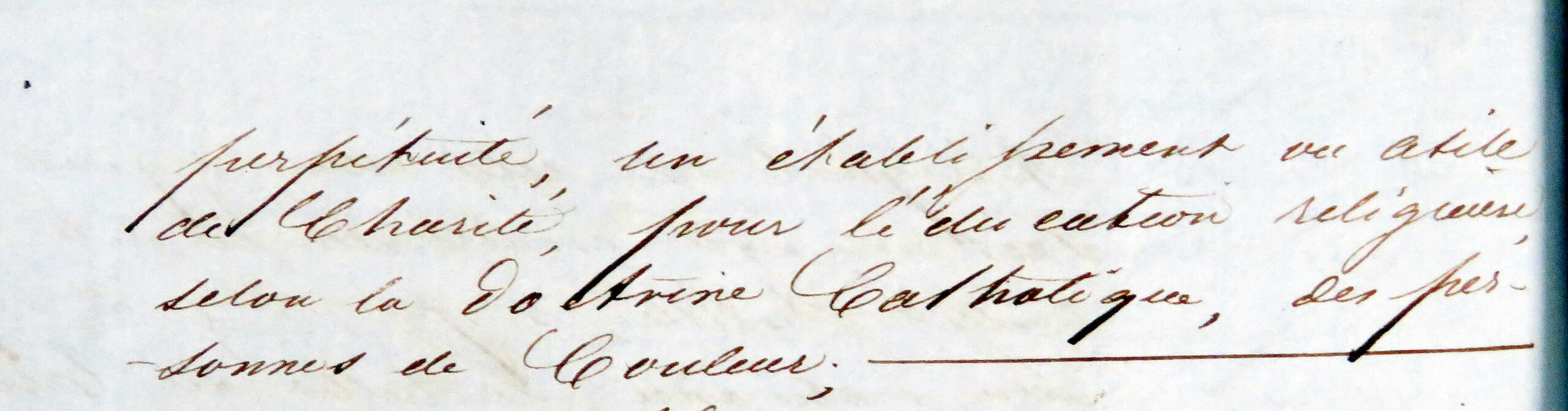
On December 12, 1850, a free woman of color walked into a New Orleans notary’s office and signed her name as the buyer of land. The notary was Octave De Armas. The seller was Aristide Polenne. The property was Lot No. 2 in Faubourg Tremé, fronting Bayou Road. The price was 1,400 piastres. Her name was Henriette Delille, and the act she signed declared that she intended to build, in perpetuity, an establishment for the religious education of people of color.
That signature is the whole story. Everything said about her sanctity, her sacrifice, and her cause for sainthood rests under that one notarized line. Most accounts of Delille reach for the word holy first. The record reaches for something harder. She was an owner. She was a buyer. She moved through the legal machinery of a slave society and used its own instruments against its intent.
Freedom Was a Legal Inheritance
She was born in New Orleans around 1812 or 1813 to Marie Josephe Diaz, a free Afro-Creole woman, and most likely to Jean Baptiste Delille Sarpy, a Louisiana merchant who never married her mother. Under Louisiana law, a child’s status as free or enslaved followed the mother. Her mother was free. Henriette was therefore free from her first breath.
This is not just biography. It is jurisdiction. The same legal logic that condemned the children of enslaved women to bondage by maternal descent also delivered freedom by maternal descent to the children of free women. The women before her had built that freedom on purpose. Earlier female ancestors in her line had been enslaved until they purchased themselves and their children out of bondage, one line tracing back to an enslaved African woman. Freedom in that family was not granted. It was bought, generation by generation, until it reached a daughter who would spend hers buying institutions instead of comfort.
She Refused the Assigned Role
She was raised for plaçage, the arrangement the system expected of an educated free woman of color, a path that traded a measure of security for a place inside the rules as written. She refused it. In refusing the only sanctioned path to security for a woman in her position, she had to manufacture an alternative the law never intended to exist, a self-governing institution run by Black women under slavery.
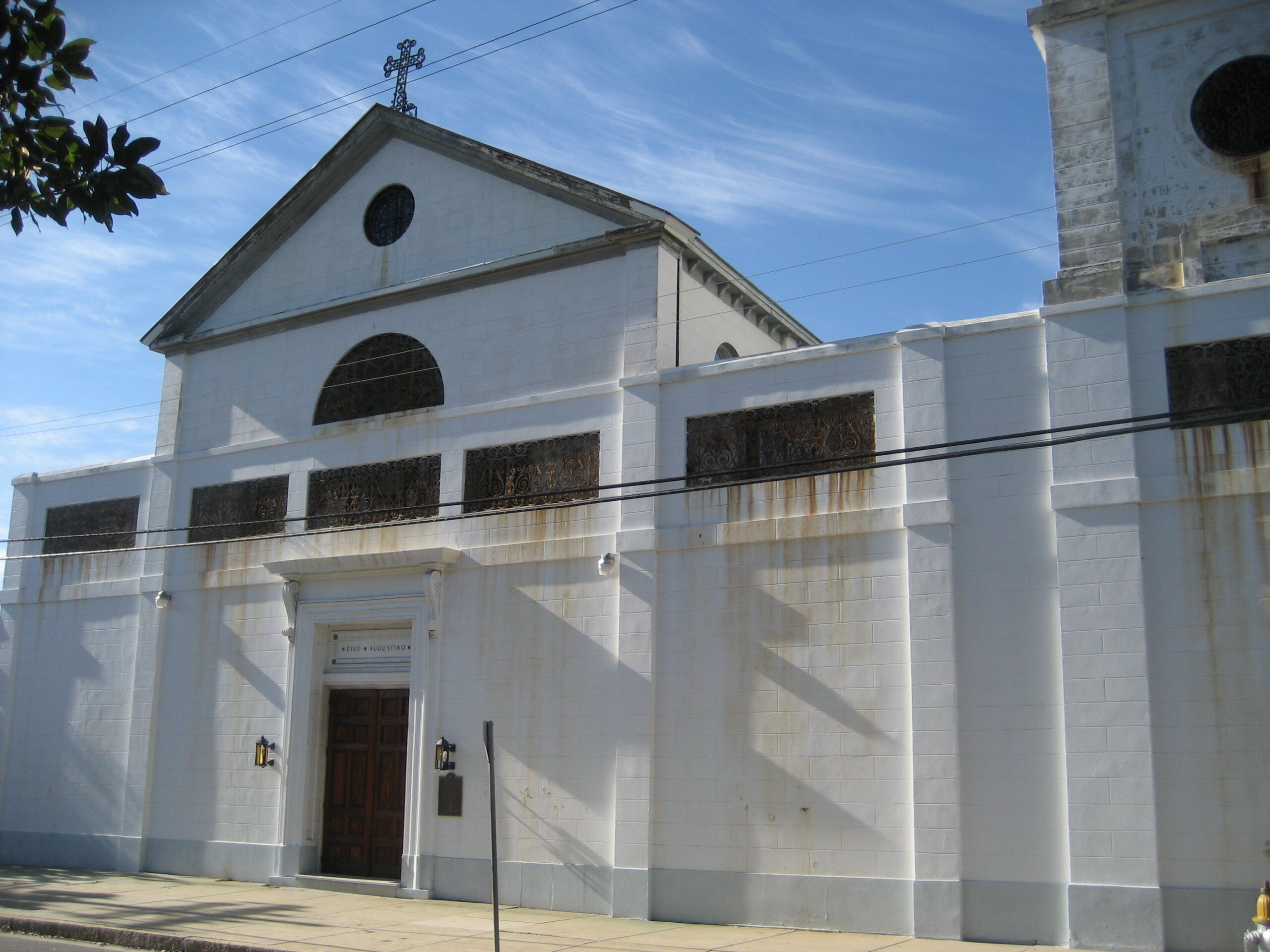
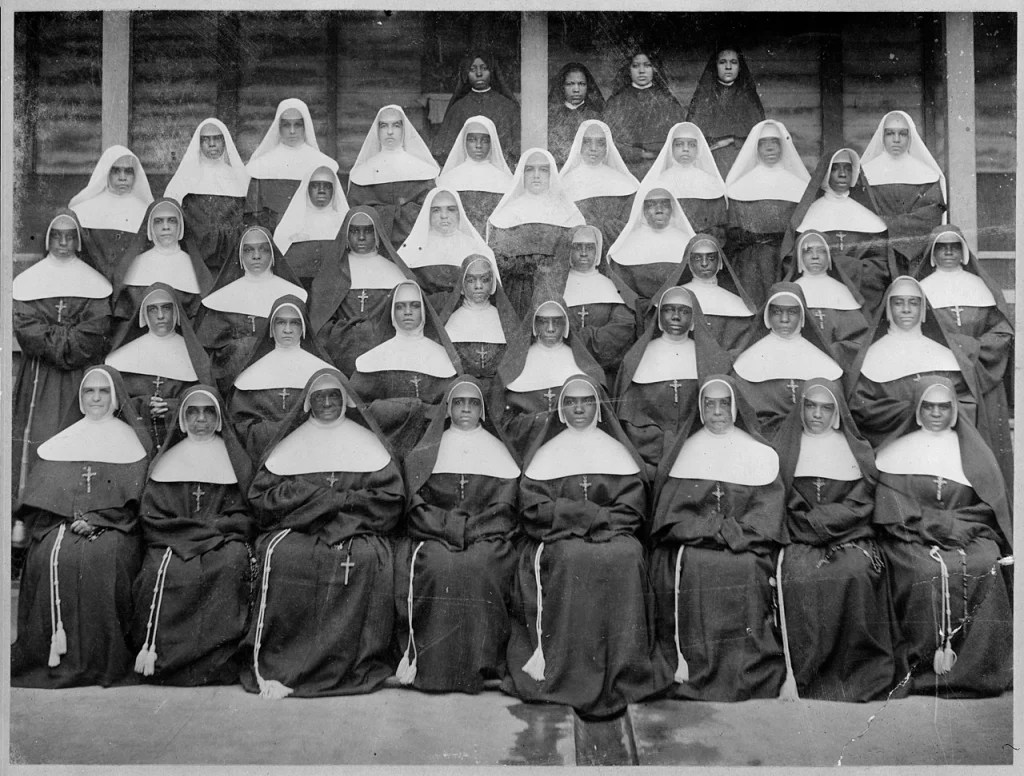
Two white religious communities denied her entry because of her race. So she did not ask for a seat at an institution. She built one. In 1836 she laid the groundwork for what would become the Sisters of the Holy Family, and by 1842, alongside Juliette Gaudin and Josephine Charles, the order took its name near St. Augustine Church in Tremé. These were free women of African descent running a religious congregation in a city where it was a crime to teach the enslaved to read.
The Document That Cannot Be Argued With
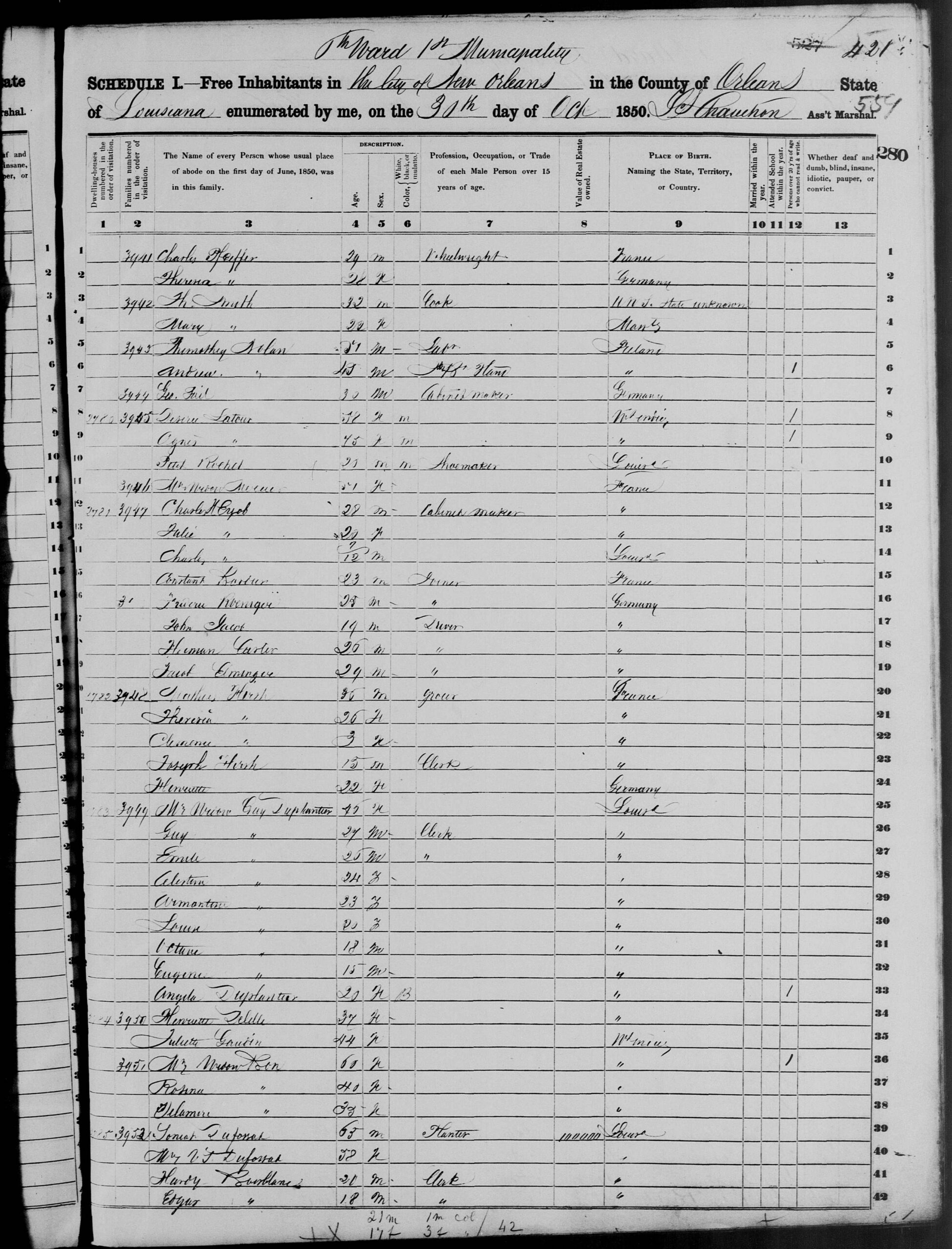
Sanctity is a claim. Property is a record. On that December day in 1850, the act of sale put Delille in the public record as a named purchaser of real estate, with a stated perpetual charitable purpose. The seller had acquired the lot at public auction from the succession of Celestin Juin, himself a free man of color, so the chain of title runs through free Black hands on both ends. A white ally loaned part of the purchase price, and Delille covered the rest from a modest inheritance from her mother. The act carries her signature as vendee, alongside the seller, the witnesses, the surveyor’s plan by E. Surgi, and the notary.
Sanctity is a claim. Property is a record.
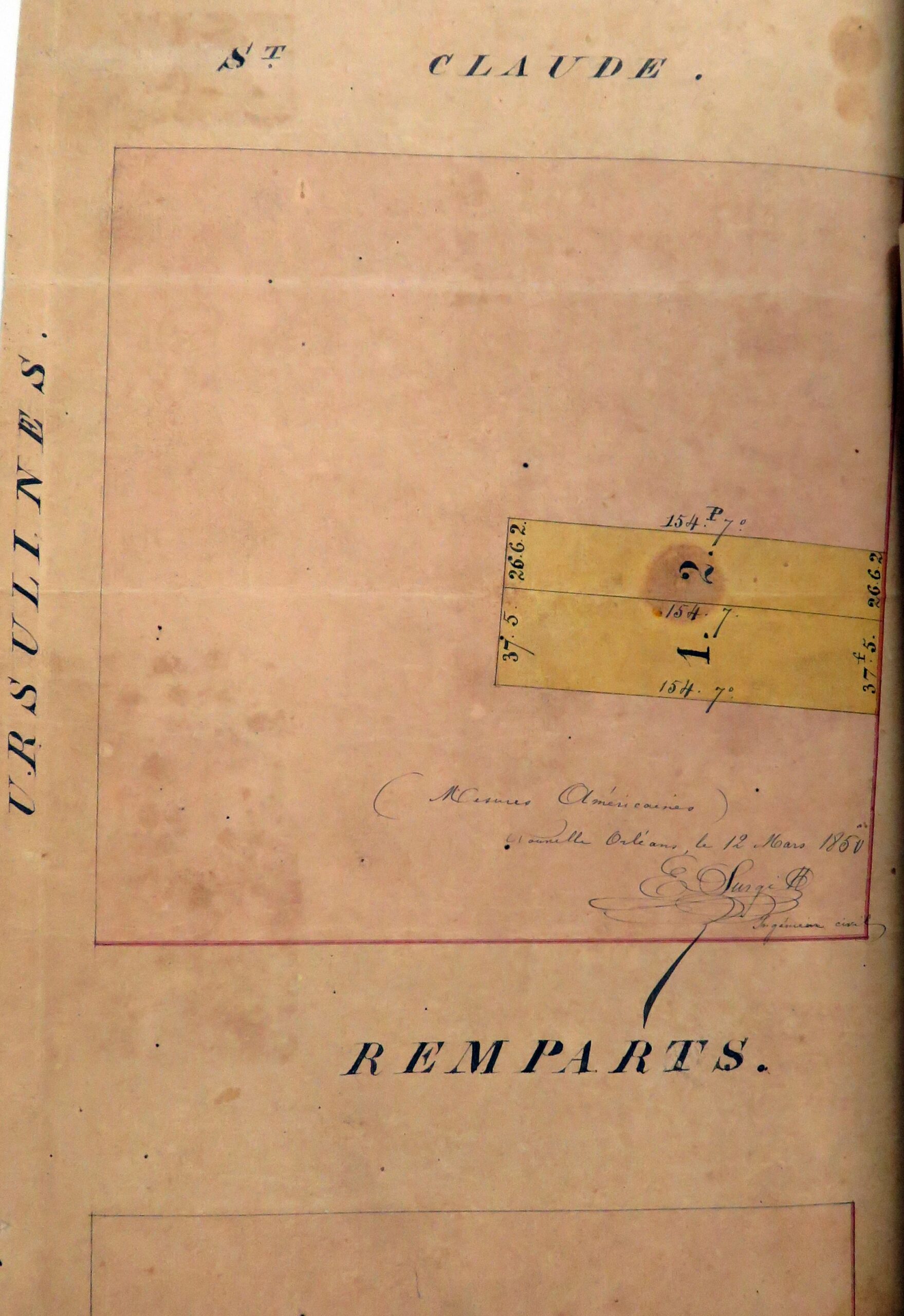

This is the genealogist’s gold standard. Named buyer. Named seller. Date. Notary. Volume and act number. Purchase price. Property description. Stated purpose. A document like that does not depend on memory, devotion, or oral tradition. It sits in the Orleans Parish Notarial Archives, retrievable by the name of the notary and the date, exactly where civil-law practice filed it in 1850 and exactly where it remains.
The eulogy made her a servant. The deed made her an owner.
Why Ownership Beat Charity
A charitable impulse dies with the person who feels it. A deed does not. By converting her ministry into titled property held for a stated perpetual purpose, Delille shifted her work from the fragile register of personal goodness to the durable register of legal fact.
There is a principle underneath this. A slave society had no category for a free Black woman’s moral authority, so it could ignore her and deny her the convent door. That same society had a category for property, and it was obligated to honor a recorded act of sale regardless of the race or sex of the buyer. She found the one door the system could not lock without unlocking it for everyone, and she walked through it carrying a deed. Belief asks permission. Ownership creates standing.
Belief asks permission. Ownership creates standing.
The Deed Outlasted the Eulogy
She died on November 16, 1862, in a city under Union occupation, of tuberculosis worsened by years of labor and poverty. Her obituary in Le Propagateur Catholique called her the humble servant of slaves. The eulogy made her a servant. The deed made her an owner. She was both, and the second is what made the first endure.

The institution kept generating consequence long after she stopped breathing. The Catholic Church declared her Venerable in 2010, and her cause continues to advance. In 2025, the Louisiana Legislature formally tied her cause to the Creole 7th Ward lineage of a sitting pope. The order she founded still ministers across the United States and beyond.
Read the deed before you read the eulogy. Her name is Henriette Delille. She was an owner.

Who ya’ people? ⚜️
Bibliography
64 Parishes (Louisiana Endowment for the Humanities). “Henriette Delille.” Accessed 2026. https://64parishes.org/entry/henriette-delille.
Encyclopedia.com. “Delille, Henriette 1813–1862.” https://www.encyclopedia.com/education/news-wires-white-papers-and-books/delille-henriette-1813-1862.
Louisiana Legislature. House Resolution 175, 2025 Regular Session. Adopted May 14, 2025. https://legis.la.gov/Legis/BillInfo.aspx?i=249199.
National Black Sisters’ Conference. “Causes: Venerable Henriette Delille.” https://www.nbsc68.org/henriettedelille.
Orleans Parish Civil Clerk. Notarial Archives Research Center. https://www.orleanscivilclerk.com/research.htm.
Orleans Parish Clerk of Civil District Court, Notarial Archives. “Sisters of the Holy Family.” December 21, 2021. https://clerkofcivildistrictcourtnotarialarchives.wordpress.com/2021/12/21/sisters-of-the-holy-family/.
Our Sunday Visitor. “Who Was Venerable Henriette Delille?” https://www.oursundayvisitor.com/who-was-venerable-henriette-delille/.
Researcher’s note: Published sources differ on Delille’s birth year, giving 1812 (64 Parishes) and March 11, 1813 (Encyclopedia.com and others). The conflict is unresolved in the available record and is presented here without resolution.