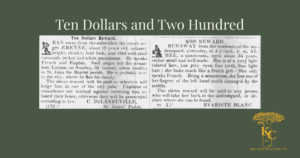
On June 26, 1850, a New Orleans paper ran two runaway notices on one page. Ten dollars for one man, two hundred for a light-skinned woman who could pass as white. The price was a confession. This is the documented record.
Blog
When the Notary’s Hand Recorded Her Life: Reading Spanish Colonial Notarial Acts as Biographical Sources

The Spanish colonial notarial archive in New Orleans is one of the most underused biographical record sets in Louisiana genealogy. A four-step method for reading the acts as biographical sources, with free public archive access included.
Francisca Montreuil: The Baker Who Bought Her Children Out of Slavery
Francisca Montreuil was a baker in Spanish New Orleans who bought herself and her children out of slavery one signature at a time, then built an estate that crossed into American rule. This is her documented record.
When the Citation Cannot Be Verified: How to Audit Compiled Research Before You Rely On It

A citation in compiled genealogical research is not credible because it has been quoted for thirty years. It is credible because it can be located and confirmed. A four-step audit method.
Rose Nicaud of the French Market: The Coffee Woman the Legend Could Not Hold
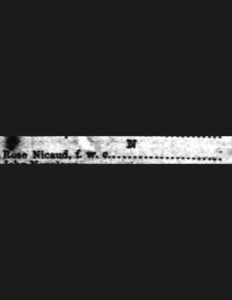
Rose Nicaud sold coffee in the French Market for forty years. Born enslaved and sold six times, she became a free woman of color named in the city’s own record. This is her full documented story, beyond the legend.
The Man Who Saved the Voices: Alcée Fortier and Black Creole Louisiana

Born June 5, 1856, Alcée Fortier transcribed a landmark collection of Black Creole folktales in the French dialect. This is how to use the record he kept and refuse the wall he built.
When the Document Did Not Say What They Said It Said: Reading Primary Text Against Advocacy Interpretation

Primary documents say what they say. What later litigants, descendants, and advocates argue they meant is a separate question. A four-step method for distinguishing primary text from advocacy interpretation.
The Deed Before the Eulogy: Henriette Delille, the Free Woman of Color Who Bought Her Institution
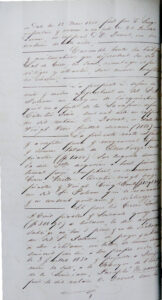
In 1850 Henriette Delille, a free woman of color in New Orleans, signed a notarized act of sale and bought the land for the institution she founded. This is her documented record, anchored to the deed.