
The Spanish colonial notarial archive in New Orleans is one of the most underused biographical record sets in Louisiana genealogy. A four-step method for reading the acts as biographical sources, with free public archive access included.
Genealogy Gems
When the Citation Cannot Be Verified: How to Audit Compiled Research Before You Rely On It
A citation in compiled genealogical research is not credible because it has been quoted for thirty years. It is credible because it can be located and confirmed. A four-step audit method.
When the Document Did Not Say What They Said It Said: Reading Primary Text Against Advocacy Interpretation
Primary documents say what they say. What later litigants, descendants, and advocates argue they meant is a separate question. A four-step method for distinguishing primary text from advocacy interpretation.
Reading the Estate Notice: Reconstructing Enslaved Families in St. Landry Parish, 1856
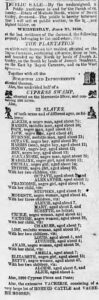
The Opelousas Patriot ran a June 1856 estate sale notice for thirty-three enslaved individuals in St. Landry Parish. Buried in the legal inventory are seven maternal family groupings. The record was created to transfer property. The work is to read it forward.
When You Are Not the First Researcher in the Room: Working from Compiled Records Without Inheriting Their Conclusions

Compiled records, published articles, and family historian notebooks are research maps, not source documents. A four-step method for using another researcher’s work without adopting their conclusions.